

How Family and Support Systems Impact Mental Health Recovery in Adults
Most people do not recover alone when they are mentally challenged, and that is quite alright.
Indeed, with the correct support system, the recovery process can be more timely, efficient, and far more sustainable in the long run.
Consider it as strolling across Boston Common during a cold day. It is a lot more comfortable when someone is beside you and is there to walk with you.
This is what family and support systems do in the process of mental health recovery.
The Importance of Support Systems
The process of mental health recovery can be very confusing, particularly when an individual is experiencing anxiety, depression, and even trauma.
Listening and understanding people can reduce the feeling of loneliness.
Studies indicate that there is a 55% reduced risk of depression with increased levels of social support.
In another study, individuals whose families are supportive tend to have lower chances of relapse following treatment.
Something simple yet powerful is demonstrated by these numbers.
Support is not only beneficial, but it is crucial to the long-term healing.
What Can Be Considered A Support System?
A support system is not necessarily a large family or a great number of friends.
It is just the presence of the people that you can trust and communicate with.
This can include:
- Intimate family members such as parents, siblings, or partners.
- Judgment-free friends.
- Therapists or counselors
- Local support groups.
A single trustworthy individual can be of great help in the recovery process of a person.
Assistance of Family in Recovery
Family members often play the biggest role in someone’s healing process. They tend to be the initial ones to sense when something is amiss.
Family support can assist in the following way:
Emotional Support
Family may support you in the hard days and make you realise that you are not alone.
Practical Help
They are able to assist in the day-to-day activities when one is overwhelmed.
This could be cooking, driving to therapy, or keeping appointments.
Reminder to Be On Track
It is a long process, and the motivation may decline occasionally.
Family may be able to encourage you to continue with treatment plans.
Consider being close to Fenway Park and having a big game. The fans make the players want to continue even when they are fatigued.
The family support is very similar.
Role of Community and Friends
Community groups and friends are also essential in the process of recovery. They often bring a sense of normal life and routine back into daily living.
Being with supportive friends can:
- Minimise stress and anxiety.
- Improve mood
- Build confidence again
Research indicates that individuals who have good friends state that they are more satisfied in life and less depressed.
You will find people meeting, chatting, and networking in such locations as Harvard Square.
It is precisely that feeling of community that assists in emotional healing.
Support is Part of the Healing Process
Support systems do not only exist to offer comfort, but also influence the results of the recovery. How individuals react to you may determine how you will handle challenges and stress.
As an illustration, positive encouragement may foster confidence and lessen self-doubt with time.
Conversely, negative or rejective replies may decelerate the progress and cause frustration.
This is why healthy family and friendship communication is very crucial. It assists in creating the atmosphere in which the process of healing can seem possible and predictable.
Where There Is No Support
Not all people have a great support system, and that might complicate recovery.
The feeling of being lonely is likely to add stress and decelerate the process.
Others might even refuse treatment due to perceived lack of understanding or support.
Studies indicate that depression and symptoms of anxiety are more common among individuals who have low social support.
But here is the good news.
It is possible to build support systems over time, although they may not exist right now.
Creating a Support System That Is Healthy
In case a person believes that the support is insufficient, he/she can begin with little things.
The process of recovery does not need a huge number of people.
The following are some of the easy steps:
- Get in touch with one person that you can trust and begin a conversation.
- Become part of a local or online support group.
- Discuss feelings of isolation with a therapist.
- Socialize in community places or activities.
Small steps may result in significant relationships in the long run.
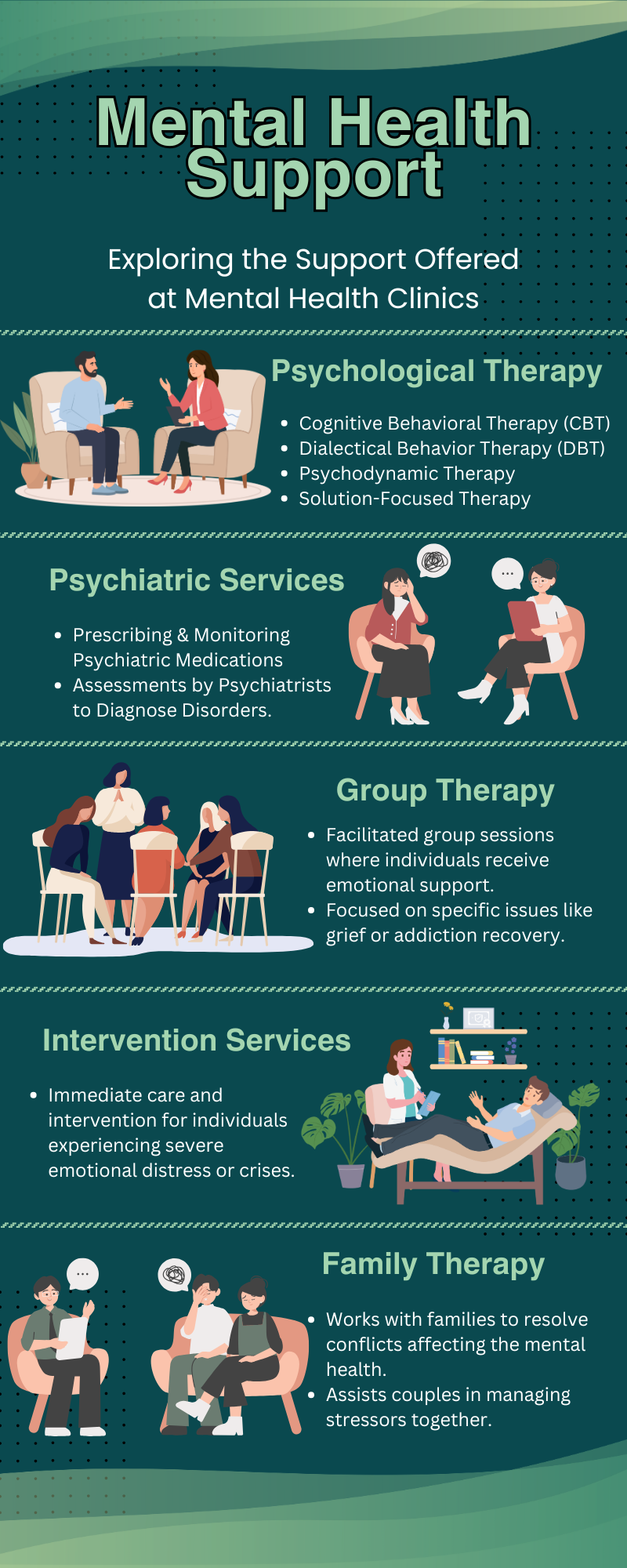
The Role of Professional Support
Family and friends are important, but professional help also plays a key role.
The tools given by therapists and structured programs may not be offered by the loved ones themselves.
Places such as Forrest Behavioral Health fit that.
They offer systematic care as well as assisting the patients to incorporate their families into the healing process.
This forms a balanced support system that involves emotional and clinical care.
Striking the Right Balance
One should bear in mind that support must not be overwhelming but supportive.
Other people may pressurise us too much, which can be stressful rather than helpful.
Examples of healthy support systems are:
- Open and honest communication.
- Respect of personal space.
- Encouragement without pressure.
- Understanding during setbacks.
The process of recovery is not linear, and support mechanisms must be modified to adapt.
Conclusion: You Do Not Have To Do This On Your Own
The process of mental health recovery is a journey that is easier with support. Be it family, friends, or professionals, it makes a difference having people around you.
And as walking the Charles River Esplanade is more pleasant in company, it is also easier to heal when you have someone by your side.
Reaching out is the first step if you or a loved one is struggling.
Support systems may be established, reinforced, and enhanced with time.
And when you need support, Forrest Behavioral Health is the place that will help you and your loved ones to take a new step forward.