

Does Your Insurance Cover IOP in Massachusetts? A September Guide to Verifying Behavioral Health Benefits
When an individual is considering an Intensive Outpatient Program (IOP) in Massachusetts.
A flood of questions starts running through their mind.
“Will insurance actually cover the cost?”
“How much will I have to pay by myself?”
Before you take the leap, it is worth knowing what your insurance covers and what to expect from the insurance process.
Understanding insurance is important for patients to get enrolled in its benefits by themselves. An Intensive Outpatient Program (IOP) offers patients a structured approach to behavioral health care for people who need more intensive care than regular outpatient care. This treatment does not keep you in a 24-hour treatment loop but provides the flexibility to go back home. The program can include group therapy, individual counseling, and mental health support along with medication management.
In this blog, we will explore how insurance coverage works for IOP in Massachusetts, what patients need to know before starting treatment, and how they can verify their services.
What is an Intensive Outpatient Program and When Might It Be Recommended?
An Intensive Outpatient Program (IOP) is a type of mental health treatment that provides you with more support than traditional weekly therapy. Instead of being stuck at a treatment facility for 24 hours a day, patients can schedule treatment and sessions during the week and return home in the evening. This can make IOP a beneficial option for people who need additional support while still wanting the flexibility to fulfill their daily responsibilities.
IOP treatment provides help with:
- Managing anxiety symptoms and emotional challenges
- Learning new and healthy ways to cope with stress
- You can recognize your triggers and removing unhealthy patterns
- Providing the right dose of medications
- Preventing Relapse and maintaining sobriety
The treatment also helps patients to develop healthy coping skills, manage symptoms, and improve daily functioning while working toward their daily goals.
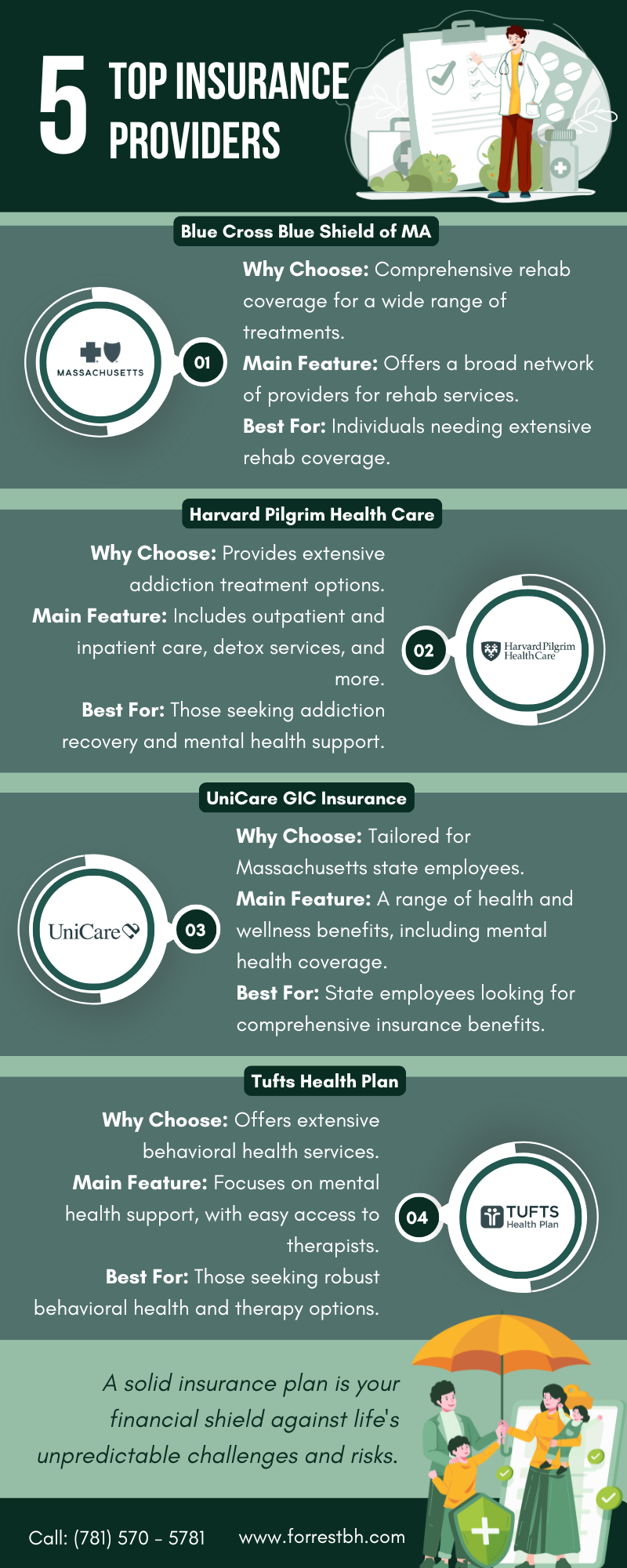
Does Health Insurance Typically Cover IOP in Massachusetts?
There is no one black-and-white answer to this question, as health insurance can cover an Intensive Outpatient Program (IOP) as a mental health service, but coverage is not automatically guaranteed. It depends on the patient’s specific insurance plan and the mental health benefits they are seeking. Insurance companies consider several factors when considering insurance coverage, such as medical necessity, patient diagnosis, treatment requirements, and the level of behavioral health care needed.
The patient should also check whether the IOP is in-network or out-of-network, as this can affect your payment. Some plans require higher authorization before treatment begins, while others might have limitations with treatment duration.
What Insurance Benefits Should You Check?
Before starting an IOP, patients need to do a little homework. You should check the insurance benefits carefully to understand what can be covered by insurance and what you need to pay. You can start by checking your mental health coverage to know whether the plan includes IOP or partial hospitalization benefits.
- Mental Health Services: You can check your treatment plan to see the list of treatments covered in the mental health category. It includes many services such as therapy, counseling, psychiatric care, and mental health programs.
- IOP Coverage: You can confirm whether your mental health insurance plan includes Intensive Outpatient Program services under its benefits. You can check whether the plan covers your services such as group therapy, individual counseling, and psychiatric support along with medication management.
- Partial Hospitalization Programs: You can check whether your treatment plan specifically covers partial hospitalization programs. Also verify the number of covered visits, treatment days, coverage limits, and flexibility details that are related to the duration of treatment.
- Out-of-Network Coverage: If the IOP facility is out-of-network, then do take details of the treatment plan that provides out-of-network services. You can inquire about having a separate deductible or higher coinsurance with out-of-network services.
- Medical Necessity Requirements: You need to find out what clinical requirements must be met for your IOP treatment. It needs to be considered medically necessary by covering your insurance plan. You can ask what documentation, diagnosis, or treatment information may be needed for treatment.
You can check whether IOP is specifically included in your plan, along with requirements or limits for accessing these mental health services.
How to Verify IOP Coverage: A Step-by-Step Process
You might feel lost about where to start. Do not worry; there are a few easy steps you can follow to get on the road.
Step 1: Keep your insurance information ready
The first thing you need to keep is your insurance card, member ID, and plan details with you. You will need this information while checking your benefits or getting details about your insurance.
Step 2: Review your plan documents
Once you have your insurance details, take a few minutes to review your plan documents or member portal. There will be sections that are related to behavioral health, mental health, and substance use treatment.
Step 3: Call the member services number
You can call the member services number listed on your insurance card. You can get information about your IOP coverage, covered services, and authorization requirements. You can get information about your IOP coverage, covered services, authorization requirements, and deductibles.
Step 4: Confirm the provider’s network status
Before you start your Intensive Outpatient Program, you can make sure the specific facility is in-network with your insurance plan. You can take information about your insurance company or the IOP provider to confirm this for you. If the program includes individual therapy, psychiatrists, or other clinicians, then you can also require that they are in-network, which affects your coverage.
Step 5: Ask whether prior authorization is required
Before you begin your Intensive Outpatient Program, you need to know from your insurance company about the requirments you need prior authorization. If it is needed, then you should also ask what documents or clinical information will be submitted for prior authorization verification.
Step 6: Get the information in writing
After connecting with your insurance company, you can write down the information you receive about your IOP coverage. Note the representative’s name, the date of the call, and the reference or confirmation number. You can note the details they provide about your benefits, costs, network status, and authorization requirements. If possible, then ask the representative to send the information through your member portal.
Your Next IOP Insurance Plan
It is the main component for patients to figure out the insurance that covers an IOP in Massachusetts. You should take the time to verify your specific IOP coverage and confirm the provider’s network status along with the prior authorization approval if required.
There are simple steps to take to understand details about deductibles, copays, or coinsurance along with coverage limits. These small steps can help you understand your medical benefits and avoid surprises when treatment starts. From diagnosis to the final step of receiving the receipts, it can all go smoothly if the process is followed properly.
As you review your coverage this September, you can make sure to check your current plan information and keep a record of your conversations with your insurance company. For more details, visit the Forrest Behavioral Health website and explore mental health services.