
Emotional Sobriety: The Missing Piece of Long-Term Recovery
You may think the hardest part of recovery is quitting drugs or alcohol. However, the truth is that staying sober is only the first step! The real challenge begins when you have to face life’s ups and downs without relying on substances to cope.
Research shows that stress, difficult emotions, and conflict are among the most common triggers for relapse. Many people are surprised to discover that recovery isn’t just about avoiding substances; it’s also about learning new ways to deal with everyday life. As you become strong emotionally, situations that once felt overwhelming become easier to manage without turning to alcohol or drugs.
This is where emotional sobriety comes in.
Emotional sobriety means learning to handle your emotions in better ways. Over time, it can help you build stronger relationships, cope with stress, and create a healthier, more stable life.
Let’s take a closer look at what emotional sobriety is, why it matters, and how you can start building it.
What Is Emotional Sobriety?
Emotional sobriety means learning to manage your thoughts, feelings, and reactions without relying on alcohol or drugs. Instead of trying to escape difficult emotions, you learn healthier ways to cope with them.
Being emotionally sober doesn’t mean you’ll never feel stressed, angry, disappointed, or anxious. Those emotions are a normal part of life. The difference is learning how to respond to them in healthy, productive ways.
In short, physical sobriety helps your body heal, while emotional sobriety helps your mind and emotions heal.
Developing emotional sobriety takes time, but with healthy habits, coping skills, and support, you can become more confident in handling life’s challenges without putting your recovery at risk.
How to Build Emotional Sobriety?
Building emotional sobriety doesn’t happen overnight. Like any skill, it takes practice and consistency. The good news is that small changes can make a big difference over time.
Here are some practical ways to build emotional sobriety:
Develop Healthy Coping Skills
Everyone goes through stress and difficult emotions, especially during recovery. The key is finding healthy ways to work through those feelings instead of turning to alcohol or drugs. Even small changes can make a big difference over time.
Activities like exercising, journaling, meditating, engaging in creative hobbies, or spending time outdoors can help reduce stress and improve your emotional well-being. The more you practice these healthy coping skills, the more natural they’ll become when life feels challenging.
Attend Therapy
Therapy gives you a safe place to talk about your thoughts, feelings, and experiences without judgment. It can help you understand unhealthy patterns, develop better coping skills, and manage trauma, anxiety, or depression. Over time, therapy can help you gain confidence and develop the emotional skills required for lasting recovery.
Stay Connected to Your Support System
You don’t have to go through recovery by yourself. Having supportive people around can make tough days easier and remind you that help is always available.
Family, trusted friends, therapists, and recovery groups can provide encouragement, guidance, and accountability as you keep moving forward.
Practice Mindfulness
Mindfulness helps you focus on what’s happening right now instead of getting stuck in the past or worrying about the future. It can be as simple as taking a few deep breaths, going for a quiet walk, or paying attention to your thoughts without judging them.
With regular practice, mindfulness can help reduce stress, improve emotional awareness, and make it easier to stay calm during difficult situations.
For many individuals in recovery, traditional seated meditation can feel overwhelming when emotions are heightened. Engaging in active, physical mindfulness – such as hands-on property maintenance projects – allows you to channel restless energy while keeping your mind anchored in the present moment.
Discovering how high-gratification outdoor tasks serve as a form of active meditation, as outlined in The Ultimate Guide to Therapeutic Cleaning: Why Pressure Washing Is Great for Mind and Body, shows how simple, practical home projects can help restore emotional calm.
Build Healthy Daily Habits
Healthy daily habits can do wonders for your recovery. Getting enough sleep, eating balanced meals, staying active, and following a regular routine can improve your mood, reduce stress, and help you feel your best.
These small habits can also make it easier to stay focused on your recovery goals.
Be Patient With Yourself
Healing is a process. Some days will be more difficult than others, and setbacks don’t mean your recovery has failed. Be patient with yourself, celebrate small victories, and keep moving forward.
What Emotional Sobriety Looks Like
As you continue to recover, you will begin to notice positive changes in the way you think, feel, and respond to everyday situations.
Some signs you’re building emotional sobriety include:
- You stay calm during stressful situations
- You think before you act instead of acting on impulse
- You communicate openly and honestly
- You recover from setbacks without giving up
- You build healthier relationships and set stronger boundaries
- You feel confident handling life’s challenges without relying on alcohol or drugs
You don’t have to be perfect when recovering; instead, you must focus on making progress and finding healthier ways to handle challenges.
How Does Forrest Behavioral Health Help Build Emotional Sobriety?
Emotional sobriety develops through the right support, guidance, and tools. At Forrest BH, we help clients build the skills they need to manage emotions and stress, and maintain long-term recovery.
Our personalized treatment plans focus on both addiction recovery and emotional healing.
- Individual therapy helps you understand difficult feelings, past experiences, and personal challenges.
- Group therapy helps you communicate better and connect with others who are also in recovery.
- Cognitive Behavioral Therapy (CBT) helps you spot and change unhealthy thoughts.
- Dialectical Behavior Therapy (DBT) helps you manage emotions, tolerate distress, and practice mindfulness.
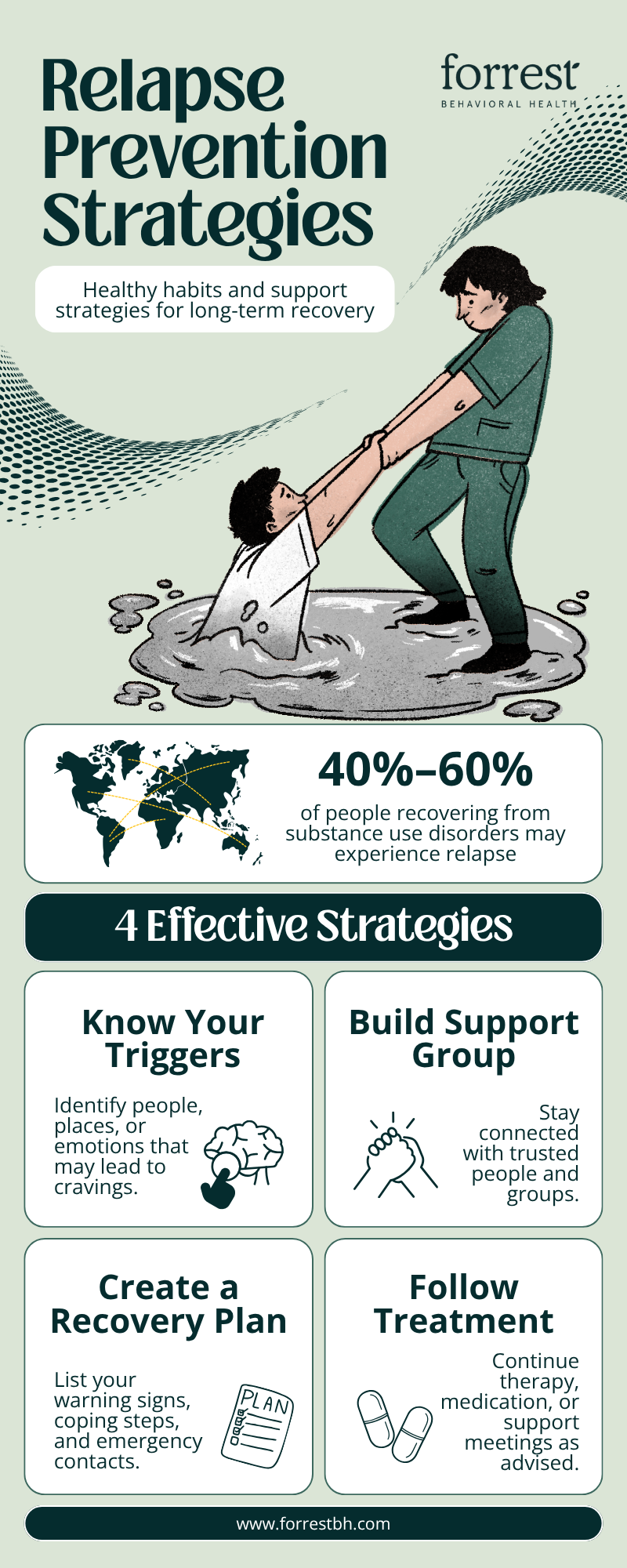
- Relapse prevention planning prepares you for stressful situations and teaches you to handle them well.
- Family therapy strengthens relationships and creates a more supportive home environment.
Our goal is to help you do more than stay sober. We want to help you build the confidence, emotional resilience, and life skills needed for lasting recovery.
Healing Goes Beyond Sobriety
Recovery is about more than staying sober. It’s about learning how to handle life’s challenges with confidence and build habits that support your well-being.
If you or someone you love is struggling with addiction, Forrest BH is here to provide personalized treatment that supports both physical and emotional healing.
Contact us today and go beyond physical sobriety to emotional sobriety!