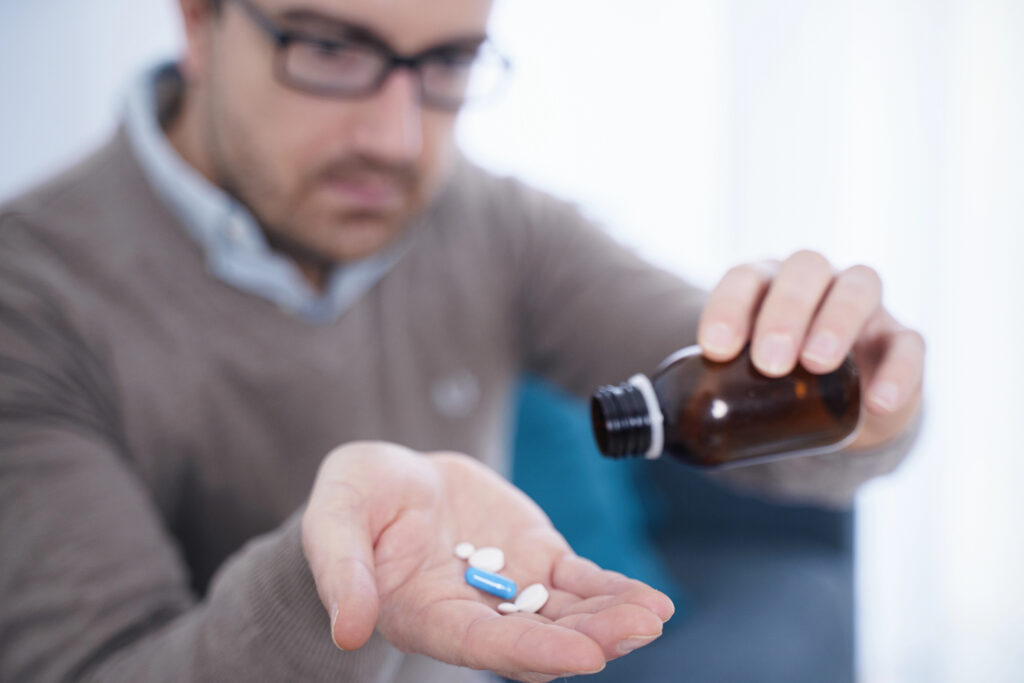
Gabapentin Addiction: When the “Safe” Medication Isn’t So Safe
Some drugs work like a light switch. Flip it, and everything changes at once, from bright to dark, on to off, with no in-between. You feel it the moment it happens, and so does everyone around you.
Gabapentin doesn’t work that way. It’s comparatively a dimmer switch. It slows down the nervous system, reducing pain signals, calming overactive nerves, and cutting the noise your body makes when something’s wrong.
The Reputation It Doesn’t Deserve Anymore
Gabapentin has been around since 1993, first approved for epilepsy and then for the nerve pain that follows shingles. Off-label, it has been used to treat everything from hot flashes to sleep trouble. It has been the safer stand-in for opioids, often prescribed as the drug you could reach for without opening the door to something worse.
That reputation isn’t entirely wrong. Gabapentin does indeed have a lower addiction potential than opioids or benzodiazepines. However, for years, “lower” was confused with “none.” That danger was hard to ignore only when doctors started prescribing it carefully to avoid withdrawal symptoms and other unpleasant side effects.
Why People Turn the Dial Further
Gabapentin misuse is seldom a single event. It is most often used in conjunction with another drug, usually an opioid, as the sense of calm it produces enhances the high of the other drug. In fact, this combination dramatically increases the risk of respiratory depression and opioid-related deaths.
On average, between 15 and 22 percent of people who misuse opioids also misuse gabapentin, and in one survey out of Kentucky, 15 percent of respondents said they used gabapentin specifically to get high.
That pattern matters more than the raw numbers do. It means gabapentin rarely announces itself as the problem. Instead of taking center stage, gabapentin usually shows up as a supporting character in someone else’s addiction. It remains easy to overlook and effortless to keep refilling. As a result, it is far too easy to assume it is the least concerning thing in the mix.
The Signs the Dial Has Moved
Dependence on gabapentin looks different from person to person, but it tends to leave the same fingerprints. Taking more than what’s prescribed. Running out early. Feeling like the day doesn’t function without it, not because the pain is worse, but because the absence itself feels unbearable, with cravings and interference in work, school, and home life.
Withdrawal is part of that picture too, and it’s not mild. Anxiety, insomnia, nausea, pain, and sweating can all surface once the medication stops, and symptoms tend to appear anywhere from 12 hours to 7 days after the last dose. None of that is a sign of weakness. It’s the nervous system remembering how loud it used to be before something started turning it down.
How Long Gabapentin Stays In the System
In a person with healthy kidneys, gabapentin has a half-life of roughly five to seven hours. The body needs five to eight half-lives to get rid of a medication. This implies that 25 to 48 hours after their last dose, the majority of people will be free of it. Gabapentin, unlike most drugs, has little effect on the liver. It is almost completely excreted by the kidneys, which is why how long it stays in your system depends on the health of your kidneys, not your age/weight/how long you’ve been on it.
Standard drug panels don’t usually screen for gabapentin at all, but a test built specifically to look for it tells a fairly consistent story. Blood testing catches it for roughly 5 to 24 hours. Urine, the most practical and most common method when it is tested for, holds it for about 1 to 4 days. Saliva testing is uncommon and unreliable for this particular drug. Hair testing can reach back up to 90 days, though it’s rarely used outside forensic or custody cases. For anyone with impaired kidney function, every one of those windows stretches out further, sometimes considerably.
Forrest Behavioral Health’s Approach to Help
Stopping gabapentin isn’t something to just decide on a Tuesday and do by Friday. That’s because the drug affects seizure threshold; abrupt discontinuation carries a real risk of rebound seizures, even in people who’ve never had one before. At Forrest Behavioral Health, that’s the first thing we plan around: not whether you’ll come off gabapentin, but how slowly and how safely.
Most people taper in small increments, often a 10% to 25% reduction every one to two weeks, sometimes even smaller once the dose gets low, since the last bit tends to be the hardest to let go of. There’s no fixed script for this. We adjust the schedule to the person, not the other way around.
We also don’t treat the taper as the whole story. Most people who end up misusing gabapentin started on it for a real reason: chronic pain, anxiety, or nerve damage, and that reason doesn’t disappear once the dose is done. Our clinicians work in parallel on what the medication was covering for in the first place, so tapering off doesn’t just leave a gap where the old problem walks back in.
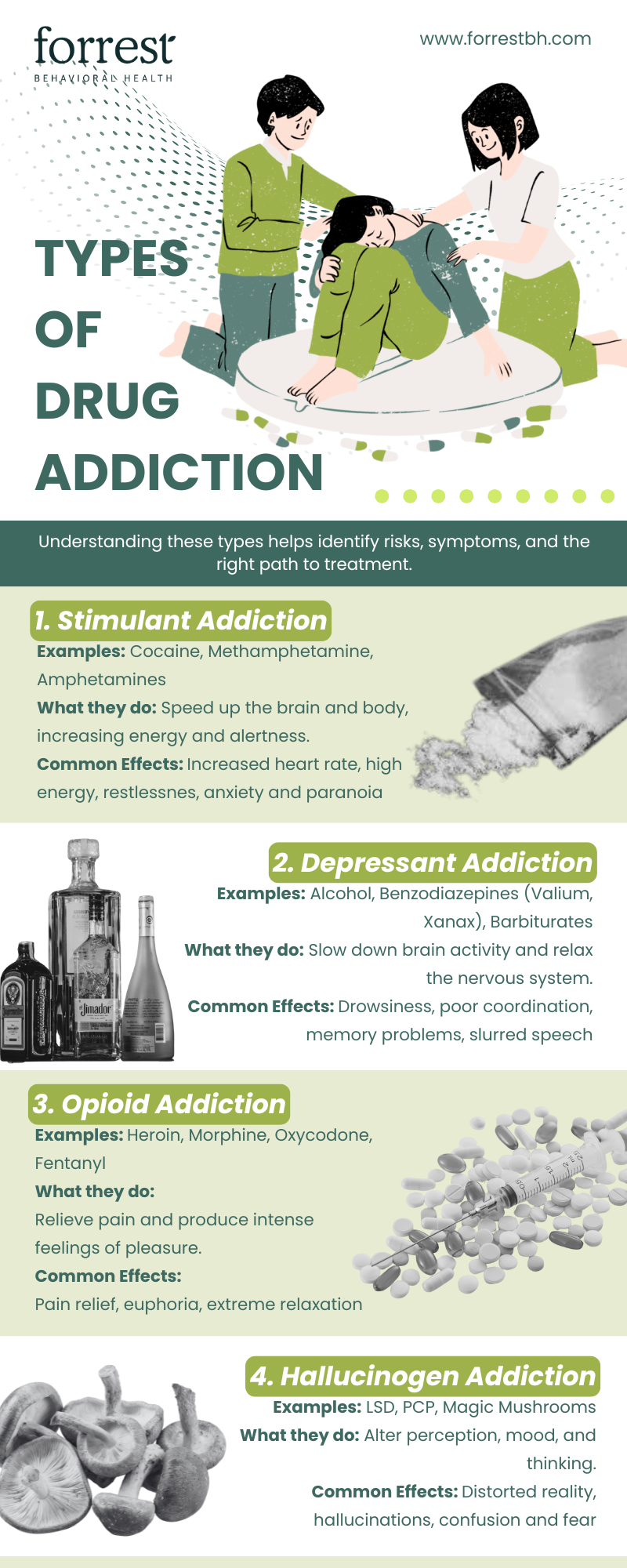
As your central nervous system slowly recalibrates during a taper, finding healthy, non-chemical ways to manage the influx of sensory input is vital. Incorporating structured physical tasks into your routine serves as an active grounding practice that engages the body while quieting an overactive mind. To explore how high-gratification outdoor projects can be utilized as a legitimate form of active stress management, check out The Ultimate Guide to Therapeutic Cleaning: Why Pressure Washing Is Great for Mind and Body.
Recovery from this particular drug also tends to go better with company. Gabapentin withdrawal can bring on a low, flat kind of depression that’s easy to face alone and much harder to face without anyone noticing. We build peer support and family education into the plan early, not as an afterthought once the hard part is over.
Final Words
A dimmer switch was never dangerous by design. It’s what happens when a hand stays on it too long, turning it down and down until the room goes dark without anyone quite noticing the moment it happened.
Gabapentin was trusted because it seemed gentle, and it mostly is. Still, it is not the same as harmless, and the sooner that is named honestly, the sooner the dial can be turned back up. Contact Forrest Behavioral Health today to find out how we can help you or someone you love take the first step to recovery.