
The Illusion of Control: Recognizing High-Functioning Alcoholism in the Route 3 Corridor
The high-stakes professional environment along the Middlesex 3 tech and life sciences corridor demands absolute perfection. In Massachusetts, roughly twenty percent of adults report engaging in heavy or binge drinking, a metric heavily driven by intense corporate stress. You might believe dependency only looks like missed work or financial ruin.
High-functioning alcoholism looks entirely different. It looks like a successful executive or engineer who secretly relies on alcohol to artificially transition to home life or force themselves to sleep.
Because this dependency hides behind outward success, the warning signs are subtle and incredibly dangerous. Located conveniently in Bedford, Forrest Behavioral Health offers sophisticated outpatient care designed to help professionals restore their resilience without stepping away from their careers.
The Hidden Warning Signs of a Silent Dependency
Corporate culture routinely normalizes heavy drinking under the guise of networking and client relations.
Client dinners and post-project celebrations provide the perfect camouflage for an underlying chemical dependency.
When alcohol is woven into the daily fabric of your professional life, hiding a growing problem becomes remarkably easy.
High-functioning individuals often establish rigid internal rules to prove they are still in control of their habits. You might tell yourself you only drink expensive wine or strictly wait until after six in the evening.
These boundaries are constantly negotiated and eventually broken. A quiet sense of panic often sets in when alcohol is not immediately available at a social event or after a difficult board meeting.
Breaking this artificial transition ritual requires replacing the evening drink with an active, high-focus physical outlet that signals to your nervous system that the workday is over. Engaging in tactile, deeply satisfying household tasks – a concept fully unpacked in The Ultimate Guide to Therapeutic Cleaning: Why Pressure Washing Is Great for Mind and Body – allows high achievers to experience a natural “flow state,” effectively closing “open tabs” of work anxiety without relying on a chemical crutch.
The Ignored Physical Toll of Executive Burnout
The physical toll of this silent dependency is easily ignored by high performers who are used to pushing their physical limits. You might dismiss chronic middle-of-the-night waking as simple executive burnout. Lingering morning brain fog and unexplained hypertension are frequently rationalized as unavoidable side effects of a demanding career.
Your central nervous system is actually experiencing minor physical withdrawal during these early morning hours. Alcohol artificially suppresses the brain, forcing it to overproduce excitatory chemicals like glutamate to stay awake.
When the alcohol wears off at three in the morning, that excess glutamate causes your heart to race and completely ruins your sleep architecture. This biological reality entirely undermines your ability to maintain genuine high-level cognitive function.
The Exhausting Psychological Weight of the Double Life
Compartmentalizing a growing dependency from a flawless professional resume requires sheer mental exhaustion. Keeping the facade intact forces your nervous system to remain in a constant state of hypervigilance. You spend enormous amounts of psychological energy just ensuring nobody sees the reality of your evening habits.
This constant state of high alert heavily impairs the prefrontal cortex over time. This is the exact region of the human brain responsible for logical decision-making and emotional regulation. As this area fatigues, you become much more reactive to minor workplace stressors and increasingly reliant on alcohol to calm down.
The Biological Progression of Tolerance
This chemical dependency is highly progressive by biological design. Your neurochemistry physically adapts to the constant presence of alcohol by downregulating its natural GABA receptors. The two glasses of wine you originally needed to unwind inevitably become an entire bottle just to achieve the exact same baseline effect.
This escalating tolerance pushes the individual dangerously close to a sudden neurological tipping point. The human brain simply cannot sustain that level of artificial suppression forever. Eventually, executive function and emotional regulation finally crack under the heavy chemical weight.
A Sophisticated Clinical Alternative to Traditional Rehab
The primary barrier to treatment for most professionals is the paralyzing fear of stepping away from their career for thirty days. Traditional residential rehab models rarely align with the complex obligations of a senior executive or lead engineer. Forrest Behavioral Health provides a sophisticated clinical midpoint designed exclusively for high-achieving individuals.
Executive-Level Discretion and Flexibility
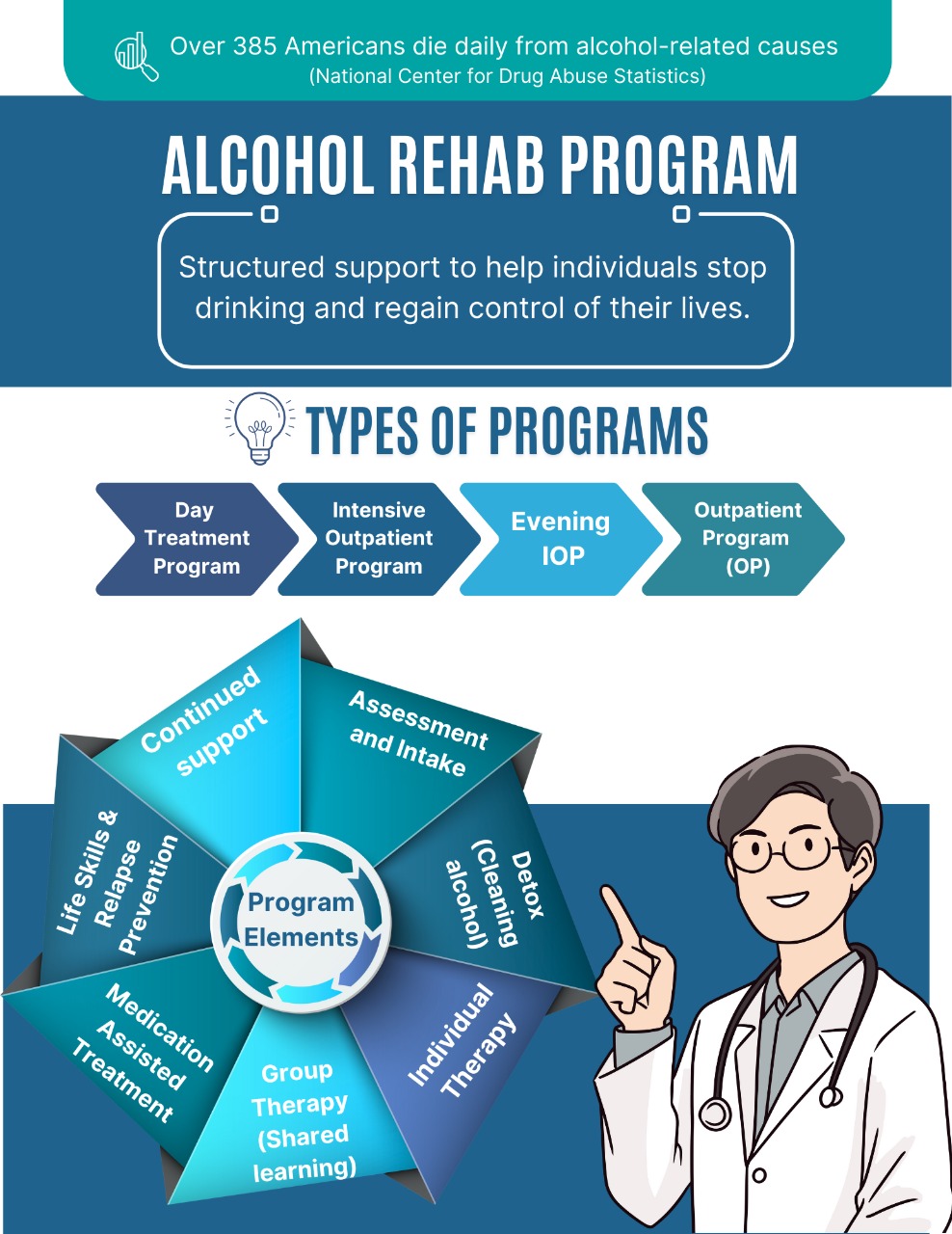
Our private sanctuary at 4 Preston Court in Bedford offers absolute discretion for professionals working across the Massachusetts tech and defense sectors. We engineered our highly structured Partial Hospitalization Programs and Intensive Outpatient Programs to accommodate demanding corporate schedules. You receive premier psychiatric support without having to abandon your leadership roles or daily responsibilities.
Advanced Psychiatric Interventions
We utilize advanced clinical methodologies that respect your intelligence and highly analytical mindset. Our Interventional Psychiatry and dual diagnosis approach go far beyond simply treating the physical drinking habit. We treat the exact root causes of your self-medication.
Our master-level clinicians actively target severe anxiety, complex trauma, and deep executive burnout. We utilize specialized modalities like Dialectical Behavior Therapy to rebuild your distress tolerance and emotional regulation skills. We also employ Eye Movement Desensitization and Reprocessing to safely clear out unresolved trauma that drives the urge to numb.
This comprehensive clinical strategy repairs your damaged neural pathways. It restores genuine high-performance resilience so you can thrive in the Route 3 corridor without relying on a chemical crutch.
Protect Your Health and Reclaim Your Resilience
You must stop minimizing your relationship with alcohol and prioritize your long-term wellness today. Acknowledging a chemical dependency is never a career failure. It is a highly strategic and necessary intervention to protect your health and your professional trajectory.
Please reach out to our clinical admissions team right now for a highly confidential private consultation. We will gladly help you map out a personalized care plan that deeply respects your time and intelligence.
Contact Forrest Behavioral Health at 4 Preston Court, Bedford, MA 01730 by calling (781) 570-5781. You can also explore our sophisticated recovery methodologies online at forrestbh.com.