
Vyvanse Addiction: Symptoms and Recovery Options
Vyvanse doesn’t feel like a drug of abuse when it starts. It’s a relief. Your mind is quiet enough to make your way through a to-do list for the first time in years. Still, the FDA considers it a Schedule II controlled substance, equivalent to some of the most tightly regulated drugs in the country, suggesting the risk of dependence is real. There’s no cause for panic. That’s a reason to understand what you’re working with.
Today we will discuss how Vyvanse addiction can slowly turn you into its slave and the treatment options that will help you break free from it.
How Vyvanse Works in the Brain
Vyvanse is a prodrug, which means it sits inactive until your body converts it into a working stimulant, usually within an hour or two. Once active, it floods your system with dopamine and norepinephrine, the chemicals behind focus, drive, and reward. That’s the clarity people describe in the early weeks of treatment.
Nevertheless, brains are efficient, and efficient systems don’t keep producing what they can borrow instead. The longer Vyvanse does the work, the less your own chemistry bothers to. That’s tolerance, and it rarely announces itself. It just shows up one day as a dose that used to be enough and isn’t anymore.
Signs and Symptoms of Vyvanse Addiction
The body exhibits some of it. Trouble sleeping, a disappearing appetite, a heart that races for no reason, and sweating that doesn’t match the room. The other portion of it manifests in the mood. Anxiety that wasn’t there before. Irritability that feels too big for whatever set it off. Paranoia that’s hard to explain, even to yourself, at two in the morning.
Additionally, what’s left appears in the choices you make. Taking more than what was prescribed. Running out early, again. Being cagey about how much is actually being used, or seeing more than one doctor to make sure the supply never runs dry. Staying on it even as it costs you a relationship, a job, or your own sense of who you are.
None of these alone is proof of anything. That’s when they start stacking up, quietly, one on top of the other, eventually becoming impossible to miss the pattern.
Treatment Options and Recovery Paths
There’s no single prescription that erases a stimulant addiction the way there sometimes is for other substances. The gap can be bridged through a combination of medical supervision, real therapy, and enough time for the brain to let go of the dependence.
Medical Evaluation and Supervised Tapering
If you stop the drug abruptly, you will experience a Vyvanse crash and then go through a longer period of withdrawal. The cravings and depression and fatigue hit harder than most people think.
On the other hand, a supervised taper reduces the dose in such a way that your brain can start to make its own dopamine again, instead of having to get it back all at once. It is the least dramatic step in recovery and the one that people are most prone to skip.
Also Read: Post-Acute Withdrawal Syndrome (PAWS): Symptoms and Recovery
Cognitive Behavioral Therapy (CBT)
CBT doesn’t stop at the behavior. It goes after the thinking underneath it, the moment right before the pill, where stress or habit or a bad day quietly makes the decision for you. Over time, it replaces that automatic reach with something you consciously chose.
The intervention can change the brain’s structure and function through neuroplasticity, which is the brain’s ability to repair brain cells and build new neural pathways. Hence, when substance abuse hijacks your neural pathways, CBT will help you reclaim them back.
Contingency Management
It is an effective and promising approach based on a reward system. Individuals going through Vyvanse addiction treatment are provided with tangible rewards like gift vouchers or money if they meet specific goals. The most common goal is to test negative for stimulant drugs in urine.
It sounds simple, and it is, but for stimulant addiction specifically, where there’s no medication that blunts cravings on its own, contingency management has some of the strongest evidence behind it. Research suggests that individuals enrolled in contingency management programs have a 2.1 to 2.4 times increased likelihood of testing negative.
Medication Support for Co-Occurring Conditions
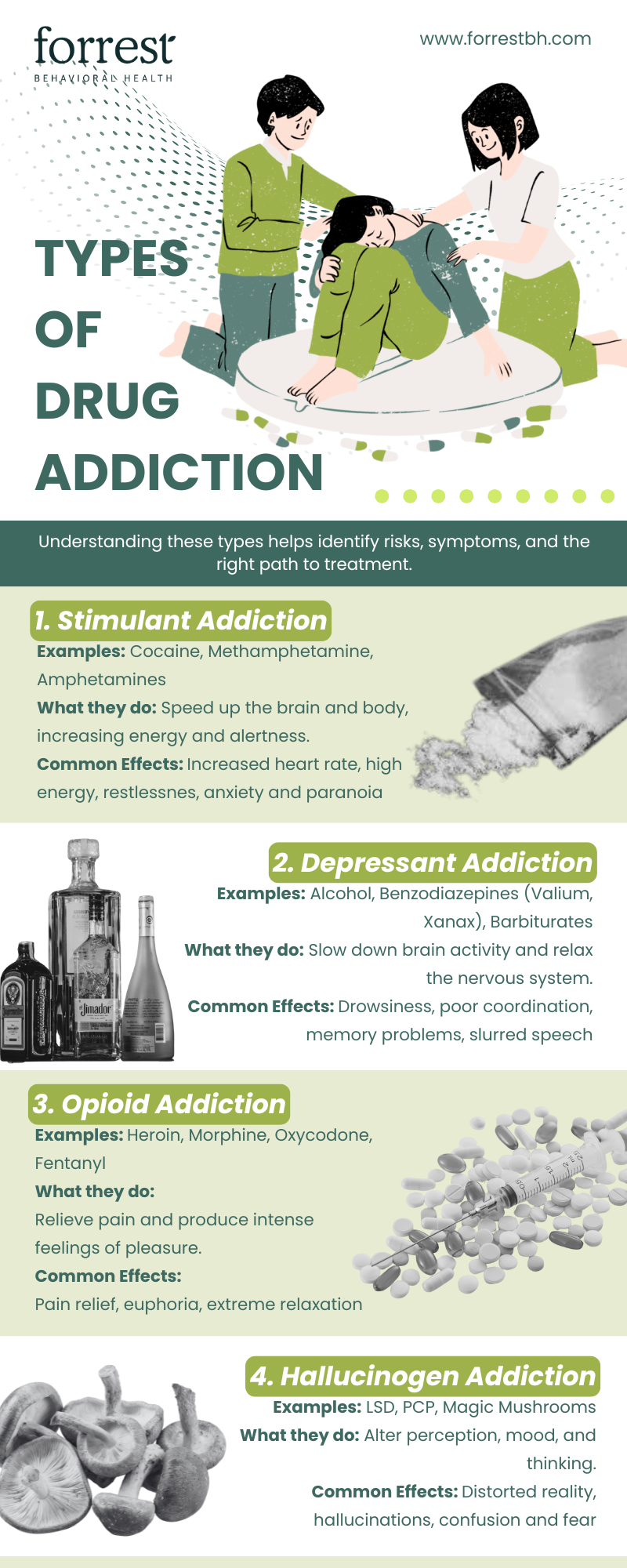
Unlike alcohol or opioid use disorder, there’s no FDA-approved medication built specifically to treat stimulant addiction. However, medication still matters here, usually aimed at what was underneath the Vyvanse use all along: anxiety, depression, or the ADHD symptoms that started this whole thing. Get that foundation steady, and everything else in treatment tends to hold better.
FAQs
What is the 28-day rule for Vyvanse?
Vyvanse can’t legally be refilled. Every fill is a brand-new prescription. Most insurance won’t process that new fill until around 85 percent of the last supply is gone, which lands close to 28 days after a 30-day prescription. It’s less a written law and more a set of overlapping safeguards that all point to roughly the same number.
Does Vyvanse affect life expectancy?
Taken as prescribed and monitored by a doctor, there’s no solid evidence it shortens your life. Misuse is a different story. High doses over time put real, sustained strain on the heart, and that strain, combined with everything addiction does to mental health, is where the actual risk lives.
What organ is Vyvanse hard on?
The heart takes the brunt of it. Vyvanse raises heart rate and blood pressure, and over time, or at higher doses, that can lead to arrhythmia, an enlarged heart, or other cardiovascular damage. The liver and kidneys are working overtime too, since they’re the ones clearing it out of your system.
Final Words
Vyvanse addiction rarely starts as recklessness. It starts as a genuine need for focus, one that quietly turned into a debt the brain couldn’t keep paying down on its own. That debt can still be settled. With the right support, your brain can relearn how to run without the loan, and so can you.
Forrest Behavioral Health starts with an evaluation built around your real history, not a generic script, and builds a plan from there. Call Forrest today to take that first step.