

Post-Acute Withdrawal Syndrome (PAWS): Symptoms and Recovery
You made it through detox. So why do you still feel anxious, exhausted, or emotionally drained?
Many people expect to feel better once the physical symptoms of withdrawal are over. Instead, they continue to experience mood swings, trouble sleeping, difficulty concentrating, or unexpected cravings.
This stage of recovery is known as Post-Acute Withdrawal Syndrome (PAWS). Research shows that lingering PAWS symptoms can increase the risk of relapse, making it important to understand what you’re experiencing and how to manage it.
The good news is that PAWS does not last forever. Knowing what to expect can help you focus on your recovery and take your next steps with confidence.
What Is Post-Acute Withdrawal Syndrome?
Post-Acute Withdrawal Syndrome, or PAWS, involves experiencing symptoms that show up after the initial withdrawal stage ends.
When people use drugs or alcohol, it changes how the brain works. After stopping, the brain needs time to heal and adjust. During this healing process, you might experience emotional, mental, and physical symptoms that can come and go.
Not everyone goes through PAWS, and the symptoms can be different for each person. You are most likely to see these symptoms after recovering from alcohol, opioids, benzodiazepines, and other drugs.
Why Does PAWS Happen?
Your brain constantly works to keep your mood, sleep, memory, and emotions balanced. However, long-term substance use can disrupt these natural processes.
When you stop using drugs or alcohol, your brain begins repairing itself to its original state. While this healing is a positive sign, it doesn’t happen overnight.
Think of it like recovering from a broken bone. The cast may come off, but the bone still needs time to become strong again. In the same way, your body may be free from substances, but your brain may still be healing!
Common Symptoms of Post-Acute Withdrawal Syndrome
Everyone’s experience with PAWs is different, but some symptoms are more common than others.
For instance:
1. Mood Swings
You may feel happy one moment and frustrated or sad the next. These emotional changes can happen without any reason.
2. Anxiety
Many people experience ongoing worry, nervousness, or restlessness during recovery. Everyday situations feel more stressful than usual.
3. Trouble Sleeping
You may have difficulty falling asleep, staying asleep, or waking up feeling rested. Poor sleep can also make other PAWS symptoms feel worse.
4. Difficulty Concentrating
It may feel harder to stay focused, remember information, or make decisions. Many people describe this as brain fog.
To break through this cognitive stagnation, clinicians often recommend short bursts of highly structured, hands-on physical activity that demands your complete attention. Immersive, high-gratification outdoor chores – a behavioral activation strategy fully detailed in The Ultimate Guide to Therapeutic Cleaning: Why Pressure Washing Is Great for Mind and Body – can satisfy the brain’s need for instant visual feedback, effectively closing ‘open tabs’ of mental anxiety and helping you regain a sense of focus.
5. Low Energy
Feeling tired even after getting enough sleep is common. Your body and brain are still working hard to recover.
6. Irritability
Small frustrations may seem much bigger than they normally would, making you impatient or easily upset.
7. Cravings
Cravings can still happen weeks or even months into recovery. They often come and go and usually become less intense over time.
8. Feeling Less Interested in Things You Enjoy
Some people notice they don’t enjoy hobbies or activities the way they used to. This usually improves as the brain continues to heal.
Why Do Symptoms Come and Go?
One of the most confusing parts of PAWS is that the symptoms aren’t always consistent!
You may feel great for several days, thinking you have finally healed, only to suddenly feel anxious or exhausted again. This doesn’t mean you’re moving backward.
Many people say that PAWS happens in waves. Some days are easier, while other days are tougher. As recovery continues, these waves usually come less often and are not as strong.
Understanding this pattern can help you stay on track even during difficult days.
How Long Does PAWS Last?
There is no specific answer for this.
Some people experience symptoms for a few weeks, while others notice them for several months. In some cases, symptoms can last a year or longer, although they usually become less severe over time.
The duration of PAWS depends on several factors, including:
- The type of substance used
- How long it was used
- How much was used
- Your overall physical and mental health
- Whether you’re receiving professional treatment and support
The Biggest Mistake People Make During PAWS
Many people think that if they still don’t feel normal, something is wrong. This can cause frustration or make them think about using drugs or alcohol again to stop the symptoms.
In reality, these feelings usually mean that your brain is still healing.
Instead of seeing tough days as failures, try to view them as part of the recovery process. Knowing what to expect can help you stay focused on your goals.
How To Manage PAWS?
While there isn’t a quick fix, there are several healthy ways to manage symptoms and support your recovery.
Some helpful strategies include:
- Keep a regular sleep schedule
- Eat balanced meals and drink enough water
- Exercise regularly, even if it’s just walking daily
- Use stress-management techniques like deep breathing or mindfulness
- Consider therapy or counseling
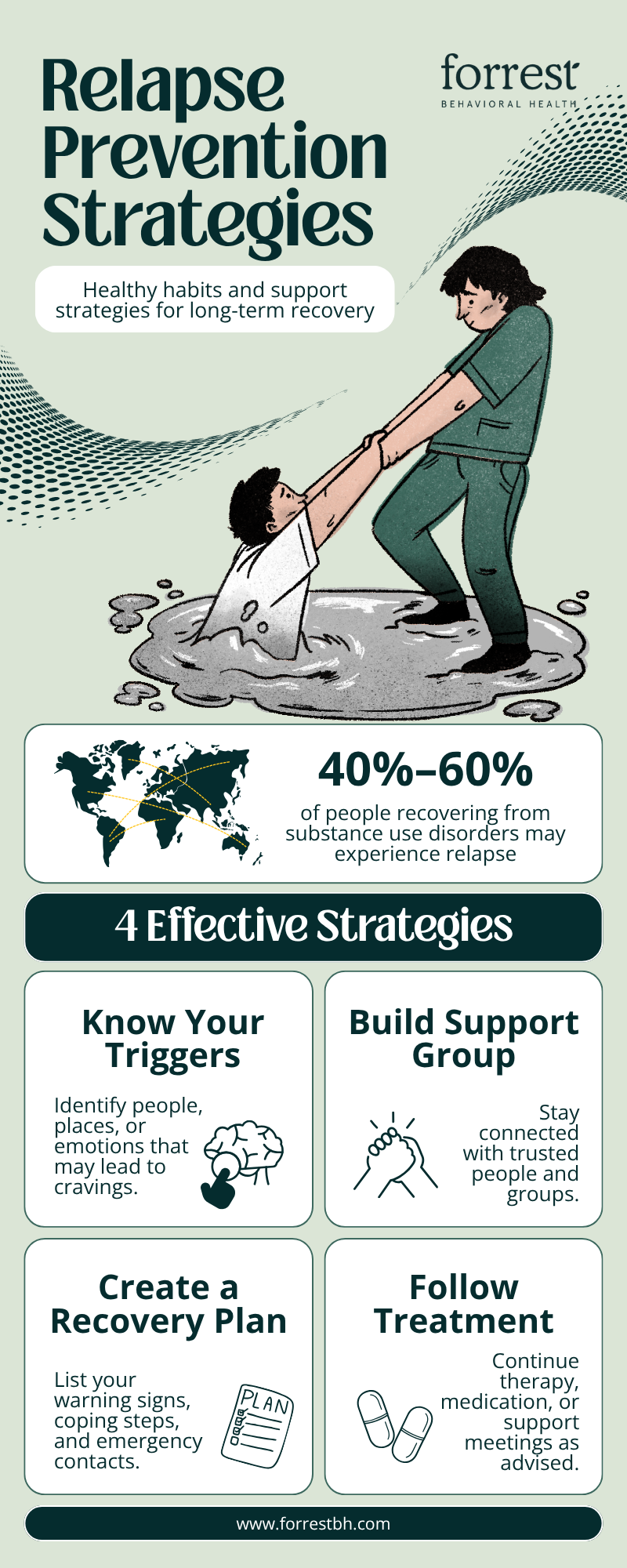
- Stay in touch with supportive friends, family, or recovery groups
- Be patient with yourself and celebrate small victories
These healthy habits won’t make PAWS disappear overnight, but they can make symptoms easier to manage while your brain continues to heal.
When Should You Seek Professional Help?
If PAWS symptoms are making it hard for you to work, take care of yourself, or stay on track with your recovery, it’s important to get help.
Mental health professionals can explain what you are going through and teach you helpful coping strategies to make recovery easier. If you also have anxiety, depression, or another mental health condition, treating both together can improve your overall well-being.
Recovery Doesn’t End After Detox
Recovery doesn’t stop when detox ends, and it’s normal for healing to take time. If you’re experiencing the symptoms of Post-Acute Withdrawal Syndrome (PAWS), it doesn’t mean you’re failing. It means your mind and body are still adjusting to life without drugs or alcohol.
With the right support, healthy coping strategies, and ongoing treatment, many people successfully manage PAWS and continue making progress in recovery.
If you or someone you love is struggling with PAWS, Forrest Behavioral Health can support you throughout your recovery. Our team provides personalized addiction and mental health treatment to help you manage your symptoms, learn healthy coping skills, and continue making progress.
Contact us today to get the addiction and mental health treatment you deserve!