

Recovery Month in Middlesex County: Why September Is the Right Time to Start Outpatient Addiction Treatment in Bedford, MA
“Recovery is REAL.” That message sits at the heart of SAMHSA’s 2026 National Recovery Month campaign.
Every September, recovery becomes part of a bigger public conversation. For someone in Middlesex County questioning their substance use, that conversation can feel personal. Recovery Month in Middlesex County can become a practical moment to explore treatment. Outpatient care in Bedford offers structured support while allowing many people to continue living at home.
Key Takeaways
- Recovery Month can help turn growing concern into a treatment conversation.
- Outpatient care provides structured support without requiring residential admission.
- IOP offers more weekly treatment time than standard outpatient care.
- Clinical assessment helps determine which level of care fits your needs.
What Does Recovery Month in Middlesex County Mean for People Considering Addiction Treatment?
National Recovery Month has taken place every September since 1989. It recognizes recovery, evidence-based treatment, supportive communities, families, and professionals helping people move forward. In 2026, SAMHSA is placing special attention on connection, reducing stigma, wellness, and multiple recovery pathways.
For people around Bedford and Middlesex County, that message can feel closer to home:
- Less stigma: Open recovery conversations can make seeking care feel less isolating.
- More awareness: September puts treatment options and support resources in public view.
- Local connections: Bedford maintains substance-use treatment and referral resources for residents.
- A reason to act: You can turn months of uncertainty into one practical conversation.
Explore Bedford Substance Addiction Resources
Why Can September Be the Right Time to Start Outpatient Addiction Treatment in Bedford, MA?
September doesn’t make treatment medically better than another month. Instead, Recovery Month may provide encouragement, information, and community support when you already know something needs to change.
Recovery Month Can Turn Addiction Awareness Into a First Treatment Step
Recognizing a problem and asking for help are different steps. Fear, uncertainty, stigma, or treatment myths can keep people waiting. Recovery Month brings recovery conversations into workplaces, families, communities and public programs. SAMHSA’s 2026 message also stresses connection as part of lasting recovery. Sometimes that visibility provides the push needed to replace “maybe later” with a real treatment conversation.
Outpatient Addiction Treatment in Bedford Can Fit Around Daily Responsibilities
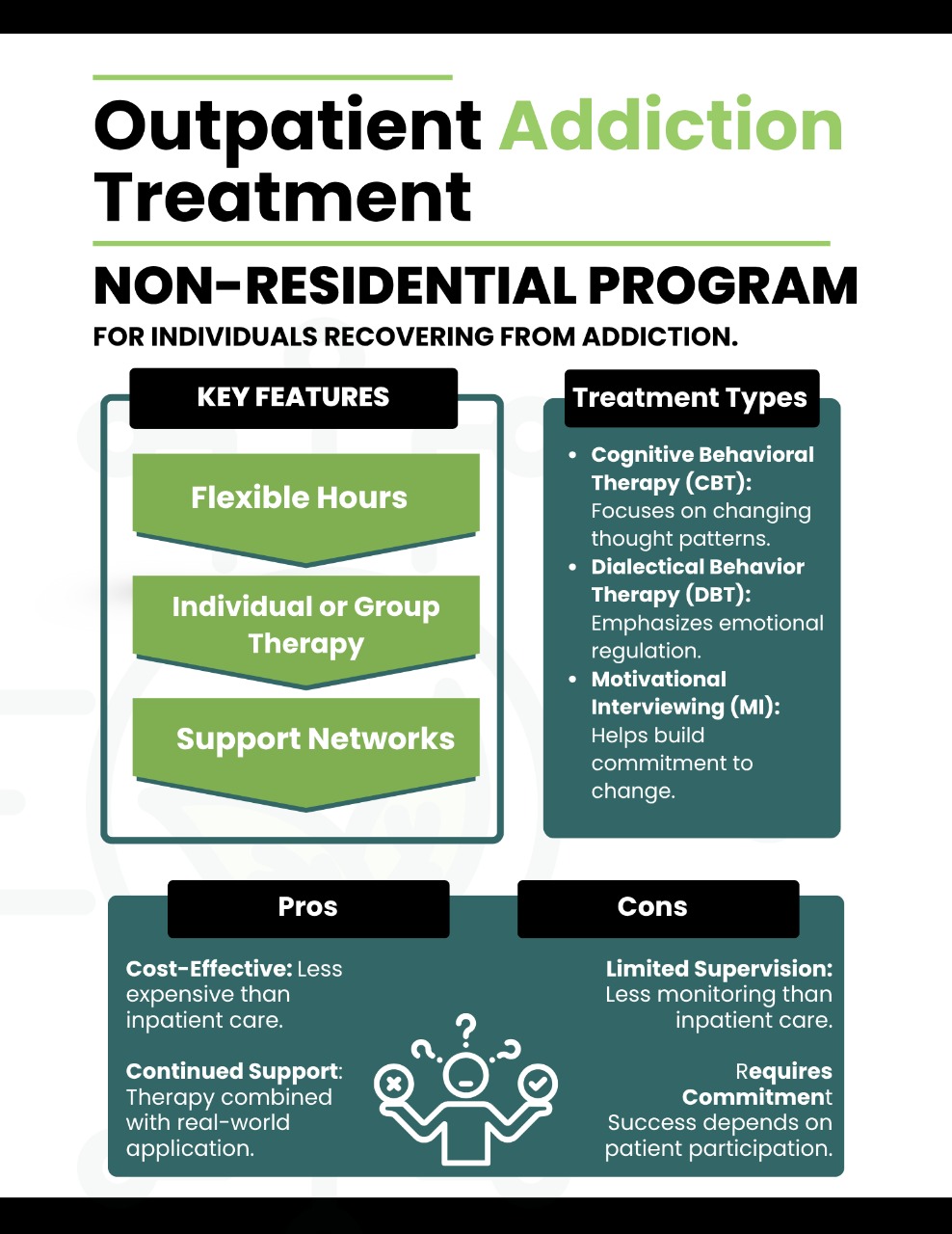
Treatment doesn’t always require leaving your job, family, or home behind. Forrest Behavioral Health’s outpatient addiction treatment provides ongoing therapy and recovery support while clients continue everyday responsibilities. Its IOP adds more weekly structure for people needing frequent clinical contact. Forrest also offers evening IOP sessions for people balancing employment, parenting, school, or other daytime commitments.
 Still comparing your options? Read our guide to Outpatient Addiction Treatment in Massachusetts to see how OP, IOP, and day treatment differ.
Middlesex County Recovery Support Extends Beyond the Treatment Room
Recovery rarely happens inside one office alone. Family support, peer connections, community services, and stable routines can all matter. Bedford participates in the Central Middlesex Police Partnership, which connects people and families with treatment resources after substance-related incidents. The partnership also works to expand access to addiction services and reduce stigma across participating communities.
What Does Outpatient Addiction Treatment in Bedford, MA Look Like?
Outpatient care isn’t one fixed schedule. Your treatment frequency depends on clinical needs, stability, relapse risk, previous care, and how much support you currently need.
Standard Outpatient Treatment Offers Ongoing Recovery Support
Standard outpatient treatment usually provides less weekly structure than IOP. At Forrest Behavioral Health, outpatient care may support people stepping down from higher treatment levels or those needing steady ongoing care. Treatment can focus on therapy, coping skills, relapse prevention, and continued personal growth. You return to your regular environment after sessions, which gives you opportunities to practice recovery skills in real situations.
Intensive Outpatient Treatment Provides More Weekly Structure
An intensive outpatient program in Bedford offers frequent treatment without overnight residence. Forrest’s IOP is designed for people who need more structure than standard outpatient care while living in a stable environment. Its published program information describes therapy several times weekly. Evening options may run three to five evenings each week, with three-hour sessions.
Level of Care | General Structure | May Fit Someone Who |
Outpatient Program | Lower weekly intensity | Needs ongoing or step-down support |
Intensive Outpatient Program | Several treatment days weekly | Needs stronger structure while living at home |
Day Treatment | More intensive daytime care | Needs more support than IOP provides |
The right level depends on assessment rather than convenience alone.
Who May Be Ready for Outpatient Addiction Treatment During Recovery Month?
Wanting help matters. Still, outpatient addiction treatment isn’t automatically appropriate for everyone. A clinician may consider your substance use, withdrawal risk, physical health, mental health symptoms, home environment, previous treatment, and available support before recommending a level of care.
Signs that outpatient care may be worth discussing include:
- Daily life remains manageable: You can safely live outside residential treatment.
- More structure feels necessary: Self-directed recovery or occasional therapy isn’t enough.
- Relapse risk has increased: Triggers or cravings are becoming harder to manage.
- Mental health symptoms are involved: Anxiety, depression, trauma, or other concerns accompany substance use.
- Withdrawal may be risky: Medical assessment may point toward detox before outpatient treatment.
If detox is part of your situation, see for a clearer look at what may come next.
Massachusetts Case Study: What Outpatient Addiction Care Can Look Like in Real Life
Massachusetts offers a useful real-world example of structured community treatment. Researchers at Boston Medical Center studied an office-based program for people with opioid use disorder receiving buprenorphine through collaborative primary care. The study followed 382 patients and measured treatment outcomes after one year.
Real-World Case Study: Boston Medical Center
At 12 months, 196 of 382 patients, or 51.3%, met the study’s definition of successful treatment. Among 169 patients remaining in treatment at 12 months, 154 were no longer using illicit opioids or cocaine based on urine testing. That represented 91.1% of those retained patients. The study focused specifically on opioid use disorder and buprenorphine treatment. These results are not Forrest Behavioral Health outcomes.
The practical lesson is simple. Structured addiction care can sometimes happen within community life rather than behind residential walls.
How Can You Start Outpatient Addiction Treatment in Bedford, MA This September?
Starting treatment doesn’t require knowing every answer beforehand. Your first step can simply be a private conversation about what’s happening, what you’ve tried, and what level of support might fit.
A typical starting process may include:
- Talk with admissions: Share your substance use and treatment history.
- Complete an assessment: Discuss symptoms, risks, needs, and daily responsibilities.
- Check insurance: Review benefits and possible coverage before starting care.
- Discuss scheduling: Ask whether OP, IOP, evening IOP, or day treatment fits.
- Build the next-step plan: Follow the level of care recommended after assessment.
Forrest Behavioral Health is located at 4 Preston Court, Bedford, MA 01730, and offers addiction and mental health treatment programs.
Make Recovery Month Your Starting Point, Not Your Deadline
Recovery Month in Middlesex County gives September extra meaning, though recovery doesn’t follow a calendar.
You don’t have to wait for a crisis, a perfect Monday, or another promise to yourself. If substance use is becoming harder to control, a treatment conversation can clarify what support makes sense. Outpatient addiction treatment in Bedford, MA may provide that support while you remain connected to everyday life.
Contact Forrest Behavioral Health to discuss your needs and explore the appropriate next step.