

College Stress and Mental Health: Outpatient Support for Students Near Burlington, MA
A packed semester can look manageable until everything lands at once. One exam becomes three. Work shifts run late. Money feels tight. Sleep gets shorter. Then a small assignment can suddenly feel like the last straw.
College stress is common, though persistent symptoms deserve closer attention. The 2024–2025 Healthy Minds Study found 37% of students had moderate or severe depressive symptoms and 33% had moderate or severe anxiety symptoms. Another 38% received therapy or counseling during the previous year.
For students near Burlington, the real question is simple: when does normal college pressure start needing more support?
Key Takeaways
- College stress becomes concerning when it disrupts daily functioning.
- Campus counseling can work well for short-term concerns.
- Persistent symptoms may call for ongoing outpatient mental health care.
- IOP can provide more structure while some students continue school.
When Does College Stress Become a Mental Health Problem?
Deadlines, exams, roommate tension, and money worries are common in college. The bigger concern is not one difficult week. It is a pattern that keeps returning and starts affecting sleep, attendance, concentration, relationships, or basic daily responsibilities.
Watch for changes such as:
- Sleep problems: Stress regularly keeps you awake or exhausted.
- Concentration drops: Assignments become harder to finish.
- Mood changes: Anxiety, sadness, or irritability keeps returning.
- Withdrawal: Friends, clubs, or classes start feeling harder to face.
- Physical symptoms: Headaches, tension, or nausea show up often.
- Academic changes: Attendance, grades, or motivation begin slipping.
The Healthy Minds Study tracks these kinds of mental health patterns across college populations nationwide.
Why Are College Students Near Burlington, MA Feeling So Much Pressure?
College pressure rarely comes from coursework alone. Students may also juggle jobs, commuting, bills, family expectations, relationships, and decisions about what happens after graduation.
Academic Pressure Can Spill Into Sleep and Daily Life
Academic stress often builds quietly. You finish one assignment near midnight, open notes for tomorrow’s exam, and then realize your morning class starts in seven hours. Repeat that cycle long enough and recovery becomes harder.
Perfectionism can make things heavier. One disappointing grade may feel huge when you already fear falling behind. Over time, concentration, sleep, and motivation can slide even while you still appear productive to everyone else.
Money, Work, Commuting and Relationships Add Another Layer
Many students carry pressures that never appear on a syllabus. Tuition, rent, transportation, work schedules, family duties, loneliness, and relationship problems all compete for the same limited mental energy.
Nearby Middlesex Community College recognizes that wider picture. Its Wellness Resource Center offers free and confidential counseling, wellness coaching, food support, housing resources, and community connections for students at its Bedford and Lowell campuses.
What Mental Health Problems Can College Stress Trigger or Worsen?
Stress itself is not a diagnosis. Still, long periods of pressure can overlap with anxiety, depression, sleep problems, substance use, or eating concerns. What starts as “just a busy semester” can slowly affect more areas of daily life.
Common concerns include:
- Anxiety: Constant worry, panic, racing thoughts, or avoidance.
- Depression: Low mood, hopelessness, fatigue, or lost interest.
- Burnout: Emotional exhaustion and fading academic motivation.
- Sleep problems: Insomnia, irregular sleep, or sleeping too much.
- Substance use: Alcohol or drugs become regular coping tools.
- Eating concerns: Stress starts changing food habits or body image.
Students with persistent symptoms can explore Forrest Behavioral Health’s college student mental health treatment in Massachusetts when brief support no longer matches their needs.
When Is Campus Counseling Enough and When Might Outpatient Support Help?
Campus counseling can be a strong first step. Still, some students need longer-term care or more frequent support once symptoms become persistent or start interfering with daily functioning.
Campus Counseling Can Be a Strong Starting Point
Short-term counseling may help with adjustment stress, homesickness, exam pressure or mild anxiety. A campus counselor can also help you sort through what is happening before problems start feeling larger than they did at first.
Middlesex Community College offers mental health assessment, referrals, and confidential counseling through its Wellness Resource Center. That type of support can fit well when symptoms remain manageable, and the student continues functioning day to day.
Outpatient Mental Health Support May Fit When Symptoms Persist
Outside treatment may make sense when anxiety or depression affects attendance, relationships, coursework, or sleep. Some students also need medication support or more frequent therapy than a campus counseling schedule can offer.
The question is not whether things feel “bad enough.” Ask whether your current support actually matches what is happening. If symptoms continue despite basic coping strategies, a clinical assessment can help clarify the next step.
How Can Outpatient Support Fit Around College Classes?
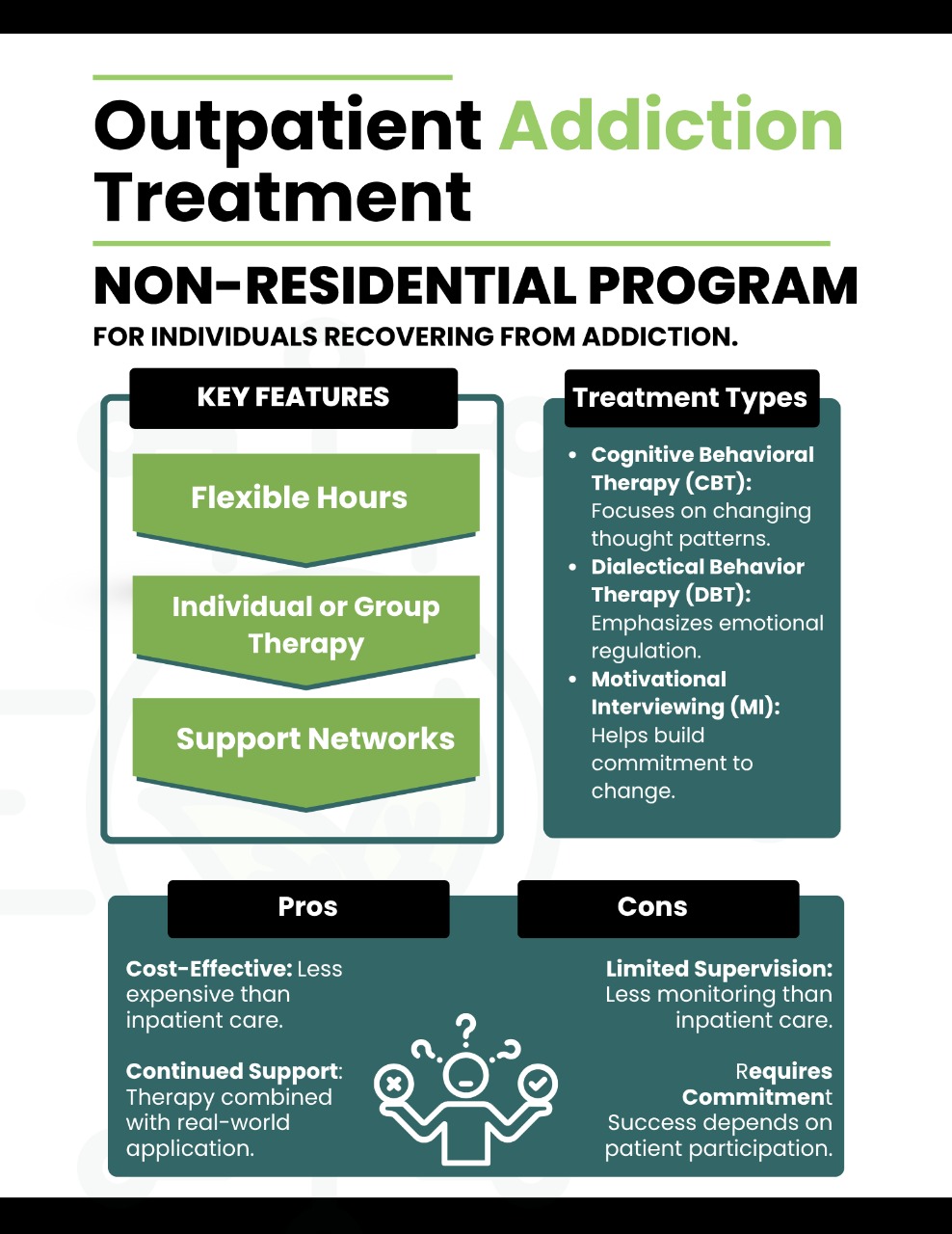
Outpatient care does not automatically mean leaving school. Different treatment levels offer different amounts of weekly support. Some students can continue classes while attending treatment, though the right schedule depends on symptoms and clinical needs.
Level of Support | General Fit |
Campus Counseling | Short-term stress and adjustment support |
Standard Outpatient Therapy | Ongoing therapy with lower weekly intensity |
IOP | More frequent support while living at home |
Day Treatment | Higher daytime structure without overnight care |
Forrest’s IOP for college students is designed around structured treatment while students continue living outside a residential setting. The program is based in Bedford and may fit students who need more support than weekly therapy provides.
If weekly counseling no longer feels like enough, read What Happens in a Mental Health IOP? A Guide to Intensive Outpatient Therapy to see what structured care can look like.
Real-World Case Study: UCLA’s STAND College Mental Health Program
UCLA’s STAND program offers a useful real-world example. Researchers screened nearly 5,000 students, then provided care to 516 based on symptom severity. Students received different treatment levels while depression, anxiety, and suicide-risk symptoms were monitored over time.
Depression and anxiety scores improved across all three care tiers. Suicide-risk severity also improved in the highest clinical-care tier. The researchers described STAND as feasible with promising preliminary results, though this was an open trial rather than a randomized trial.
These findings are not Forrest Behavioral Health outcomes. They do show why matching treatment intensity to actual student needs can matter more than putting every student into the same type of care.
How Can Students Find Mental Health Support Near Burlington, MA?
The best starting point depends on symptoms, safety, treatment history, and how much weekly support you need. Some students begin with campus counseling. Others may need ongoing community-based treatment.
- Campus counseling: Start with your college wellness center.
- Community resources: Ask for outside referrals when needed.
- Outpatient therapy: Consider ongoing care for persistent symptoms.
- IOP: Discuss structured treatment when weekly therapy falls short.
- Crisis support: Call or text 988 for emotional distress or suicidal thoughts.
Massachusetts 988 support is free, confidential, and available around the clock.
Forrest Behavioral Health serves students near Burlington from its nearby Bedford location. Students can also explore its broader college student mental health support options when stress begins affecting school and daily life.
When Should a Student Seek More Structured Mental Health Treatment?
One terrible exam week does not automatically mean someone needs intensive care. Look at the larger pattern. Repeated missed classes, disrupted sleep, panic, low motivation, or growing substance use may point toward a need for professional assessment.
More structured support may be worth discussing when weekly counseling no longer matches symptom severity. Treatment decisions should consider safety, daily functioning, previous care, and how much support the student realistically needs during an ordinary week.
If shorter fall days are also affecting your energy or mood, read Seasonal Depression Starts Early: Fall Depression Treatment Options in Concord, MA.
College Stress Should Not Take Over the Semester
College stress and mental health often overlap when academics mix with work, money, relationships, and too little sleep. A rough week happens. Persistent anxiety, depression, withdrawal, or academic decline deserves more attention than another productivity trick.
Students near Burlington, MA can begin with campus resources and move toward outpatient support when symptoms continue. Forrest Behavioral Health serves the area from Bedford and can help students explore mental health treatment while continuing school when clinically appropriate.