

Fentanyl and the Fall Relapse Risk: Dual Diagnosis IOP in Billerica, MA
“Treatment works. Recovery is possible.” — SAMHSA
Fall doesn’t cause relapse by itself, though personal triggers can shift. Shorter days, changing routines, and low mood can stir old cravings. With fentanyl involved, any return to opioid use carries serious risk. Among 4.8 million people with opioid use disorder, only 17% received OUD medications in 2024, according to SAMHSA.
At Forrest Behavioral Health, we understand that achieving recovery requires more than just willpower. Substance use and co-occurring mental challenges are treated together via dual diagnosis IOP near Billerica. The focus is on helping early, before warning signs of failure become more difficult to handle.
Below, we cover fentanyl relapse risk, fall triggers, treatment options, and when IOP can help.
Why is Fentanyl Relapse Especially Dangerous After Time in Recovery?
Relapsing back on opioids after quitting does not mean picking back up where you left off. Tolerance may fall during recovery. Meanwhile, illicitly manufactured fentanyl is still highly potent and may be present in other drugs without a user being aware of it.
There are a number of reasons why going back to using opioids is so dangerous:
- Reduced tolerance: Your body might react differently to even the smaller amounts you used before.
- Potent: Fentanyl is 50–100 times more powerful than morphine
- Undetected supply: Fentanyl illegally produced may enter the market in bogus pills.
- Co-Use: Use of a combination of opioids along with other depressants increases risk.
- Overdose risk: Naloxone can reverse an opioid overdose.
Does Fall Really Increase Relapse Risk in Billerica, MA?
There is no strong evidence that autumn creates a universal relapse season. However, fall can change sleep, routines, mood, and social contact. Those shifts may matter greatly for someone whose recovery already depends on steady structure.
NIMH reports that winter-pattern seasonal depression often starts during late fall. Symptoms can include low mood, fatigue, oversleeping, and social withdrawal. Those changes may weaken recovery habits for some people.
Possible fall-related pressures include:
- Shorter daylight: Seasonal depression may return.
- Less structure: Meetings or healthy routines may slip.
- Isolation: Colder evenings can reduce social contact.
- Stress: Work, school, and financial pressures can increase.
- Old memories: Seasonal situations may bring familiar cravings.
 If shorter days regularly affect your mood, read Seasonal Depression Starts Early: Fall Depression Treatment Options in Concord, MA.
How Can Mental Health Symptoms Affect Opioid Relapse Risk?
Substance use and mental health problems often overlap. The connection is not always simple. Still, SAMHSA recommends integrated treatment when someone has both conditions because treating only one can leave major needs untouched.
Depression, Anxiety, and Trauma Can Become Recovery Triggers
Depression may make staying connected feel exhausting. Anxiety can create a strong desire for quick relief. Trauma symptoms may disturb sleep or increase emotional distress. None of these conditions automatically causes relapse, though they can complicate recovery.
Imagine someone skipping one evening meeting because they feel drained. Then they skip another. Soon, the usual routine disappears. Isolation grows, and cravings have more room to take hold. Small changes can sometimes build quietly.
Dual Diagnosis Treatment Addresses Both Problems Together
A dual diagnosis means a substance use disorder and mental health disorder occur together. Instead of separating them, integrated care looks at how depression, anxiety, trauma, or other symptoms interact with substance use.
SAMHSA reports that integrated care can improve psychiatric functioning while reducing substance use and hospitalizations. Forrest also provides dual diagnosis treatment in Massachusetts and has discussed dual diagnosis treatment for Billerica residents.
When Can a Dual Diagnosis IOP Near Billerica, MA Make Sense?
An intensive outpatient program sits between weekly outpatient therapy and higher care levels. It may fit someone who needs several treatment sessions weekly while remaining safe enough to continue living at home.
IOP May Fit When Weekly Treatment is Not Enough
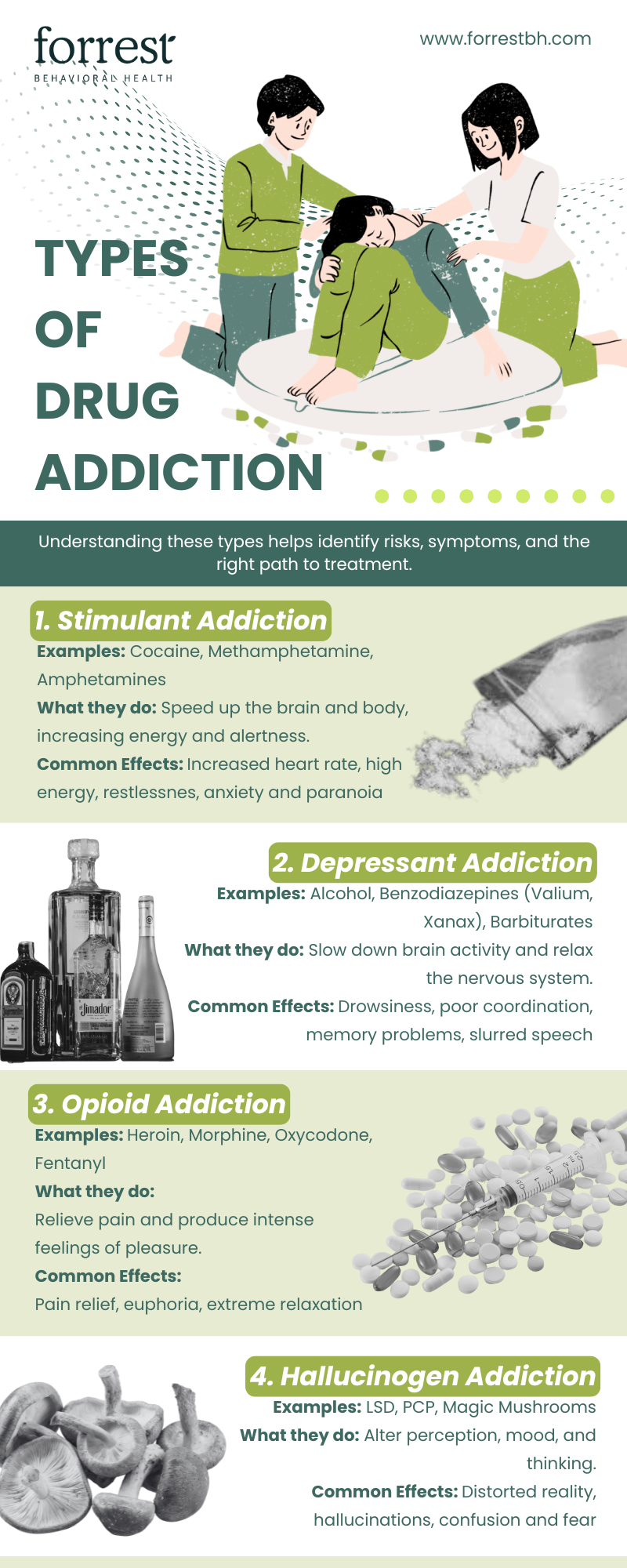
Real-World Case Study: Integrated Care for OUD and Serious Mental Illness
A 2026 study examined 17 patients receiving integrated outpatient care for opioid use disorder and schizophrenia-spectrum conditions. Medication adherence reached 90.5% for opioid-use-disorder medications and 96.9% for antipsychotic medications during recorded visits.
Emergency department visits and inpatient hospitalizations also fell significantly after enrollment. However, this was a small retrospective case series. It cannot prove the program caused every improvement, and it does not represent Forrest outcomes.
When is IOP Not the Right First Step?
IOP can offer useful structure, though it is not right for every situation. Someone experiencing overdose, dangerous withdrawal, or major medical instability may need emergency or higher-level care before outpatient treatment becomes appropriate.
Situation | Possible Next Step |
Suspected opioid overdose | Call 911 and give naloxone if available |
Immediate life-threatening danger | Call 911 |
Behavioral health crisis | Use local crisis services or 988 |
Severe withdrawal or instability | Seek medical assessment |
Need for 24-hour support | Discuss a higher level of care |
Stable but needing more structure | Ask whether IOP may fit |
Billerica residents can contact the town’s Behavioral Health Unit through its community line. The town also directs residents to the Massachusetts Behavioral Health Help Line at 833-773-2445 for assessment, crisis triage, and treatment referrals.
How Can You Build a Fall Relapse Prevention Plan?
A useful plan starts with your own patterns, not a calendar rule. Fall may barely affect one person and strongly affect another. Watch for changes in mood, sleep, stress, social contact, and recovery routines.
Practical steps include:
- Track mood: Notice depression, anxiety, or growing isolation.
- Protect routines: Keep therapy, meetings and medication consistent.
- Plan for triggers: Identify stressful events before they arrive.
- Stay connected: Reach out when you start withdrawing.
- Keep naloxone available: Reduced tolerance can increase overdose danger.
- Ask early: Support works better before things unravel.
For more practical planning, see Forrest’s guide to common relapse triggers and prevention.
If school pressure is adding to the stress this fall, read College Stress and Mental Health: Outpatient Support for Students Near Burlington, MA.
Fall Can Expose Risk Without Causing Relapse
Opioid relapse is not a predictable fall-out of the Fall. However, shortened days, depression, stress and changing routines can reveal some areas of vulnerability in recovery. The scenario is made more precarious since the introduction of fentanyl means any return to an unregulated opioid supply comes with increased risk.
Dual diagnosis IOP near Billerica, MA may help people who are coping with substance use disorder with depression, anxiety, or trauma as it can provide needed structure. Forrest Behavioral Health can see Billerica residents from neighboring Bedford and determine if IOP or another level of care is more appropriate for them.